
Creatine, Without the Folklore
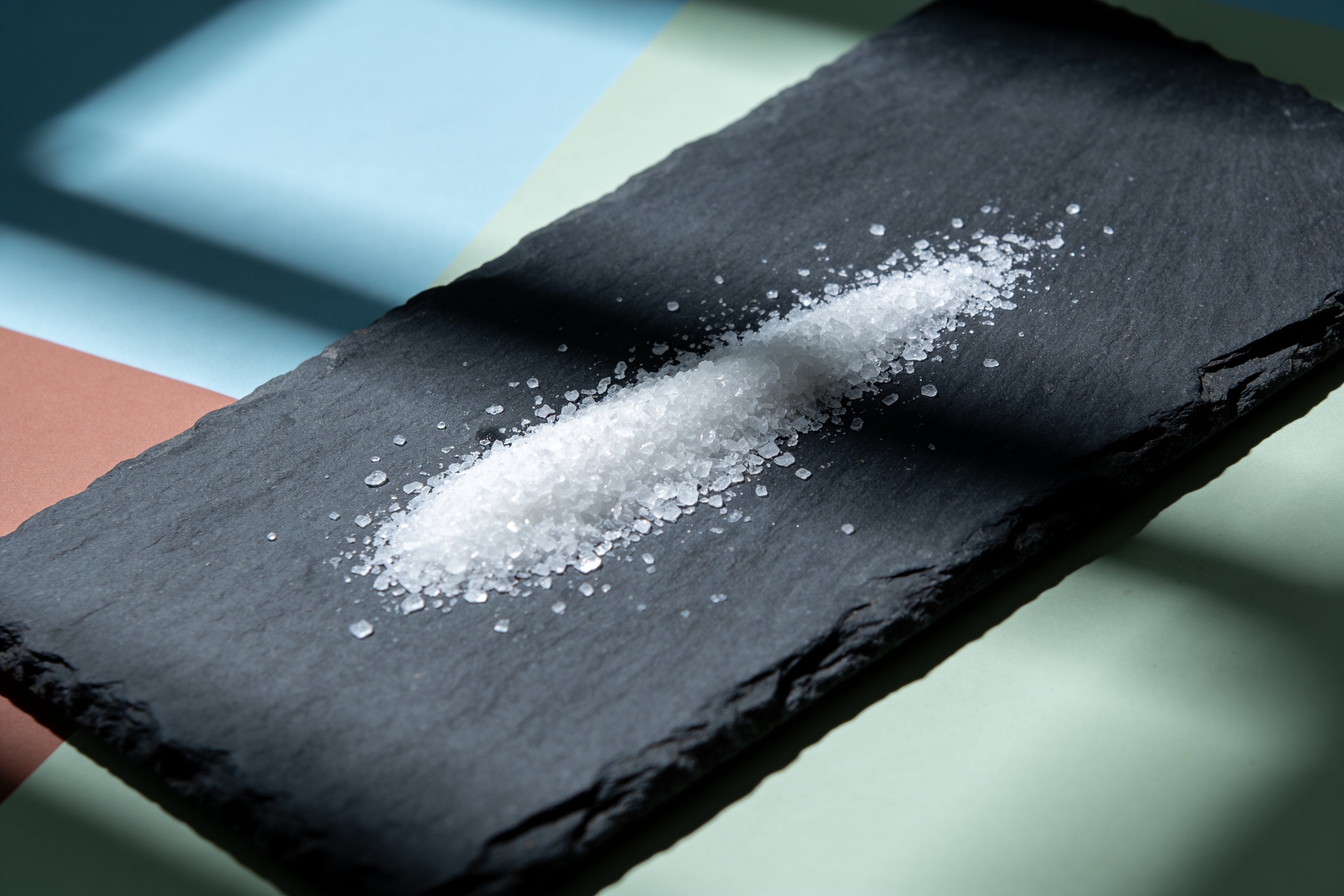
Creatine is the most-studied ingredient in sport nutrition. It is also one of the most misdescribed. Most of what circulates about it — the loading rituals, the cycling schedules, the warnings about kidneys and bloat — is folklore that outlived the evidence it came from.
Here is what the research supports, and where it stops.
What creatine is
Your body already makes creatine, roughly one to two grams a day, mostly in the liver and kidneys. It travels through the bloodstream to skeletal muscle, where most of it is stored as phosphocreatine. That store is what regenerates ATP during short, hard efforts — the first ten or fifteen seconds of a sprint, a heavy set, a jump.
Diet adds more, mainly from meat and fish. But the amounts used in the trials that show an effect are larger than what the body makes and what most diets deliver. That gap is the entire case for supplementing.
What the evidence supports
The International Society of Sports Nutrition published its position stand on creatine in 2017, after reviewing the literature in full. Its conclusion is unusually direct for a document of that kind: creatine monohydrate is the most effective ergogenic nutritional supplement available for increasing high-intensity exercise capacity and lean body mass during training.
The same review found that short- and long-term use — up to 30 grams a day for five years — was well tolerated in healthy people and across a range of patient populations, from infants to older adults.
That is a strong claim, and it is worth being precise about what it covers. Creatine works on high-intensity, repeated efforts. It is not an endurance aid, and it is not a stimulant.
Loading is optional
The classic protocol is five days at around twenty grams, split into four doses, then a lower daily dose after that. It works. It saturates muscle stores in under a week.
It is also not required. Three to five grams a day, taken consistently, reaches the same saturation point in about four weeks. The destination is identical. Loading only changes how quickly you arrive.
Choose based on the timeline you care about. If nothing is imminent, skip the loading phase.
What it will not do
It will not work acutely. Creatine is a saturation effect, not a dose effect — there is no benefit to taking it before a session rather than after one, and no reason to time it precisely. Consistency is the only variable that matters.
It will not make you retain water under the skin. Creatine draws water into muscle cells, which is part of how it works. The soft, puffy "creatine bloat" people describe is not what the intracellular mechanism produces.
And it will not compensate for undertraining. Every trial showing a benefit ran it alongside a training programme.
How we make it
Our Creatine Monohydrate is unflavoured, one scoop, five grams. Monohydrate, not one of the newer esters or buffered forms — monohydrate is the form nearly all of the research used, and the alternatives have yet to show they outperform it.
Take it every day, including rest days. That is the whole protocol.


Please upload banner from store admin blog pages

